Homepage


background
Consumer wearable and smartphone devices
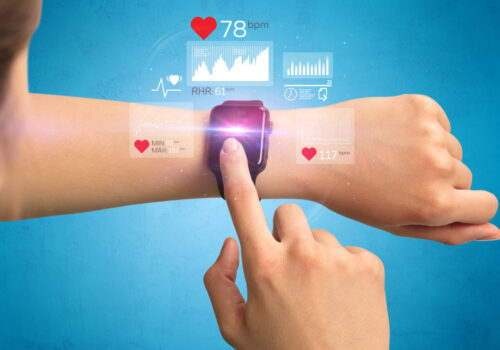
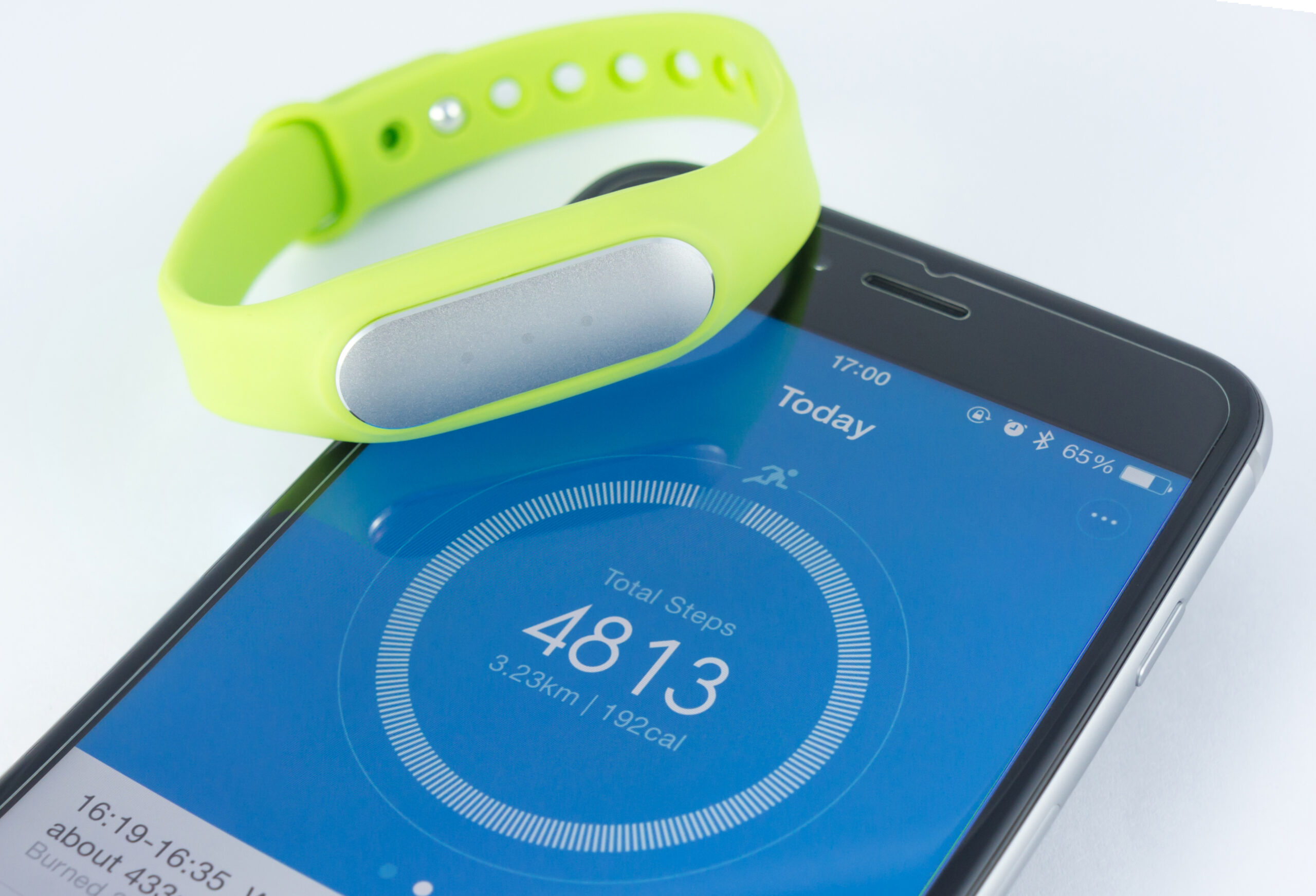
Consumer wearable and smartphone technologies provide an accessible means to monitor physiological and sport performance-related metrics across multiple exercise modalities (e.g., resistance training, running, and cycling) and health domains (e.g., energy expenditure, fatigue, running and cycling metrics, heart rate, sleep, and body composition outcomes). With the rapid proliferation of these devices, consumers, practitioners, and researchers are increasingly interested in leveraging wearable-derived metrics to monitor training responses, recovery, and health-related indicators in both sport and free-living contexts. However, while the acceptance of these devices is increasing, the validity of many consumer devices has not been rigorously and transparently evaluated.

Vision, Mission and Goals
Towards Intelligent Health and Well-Being Network of Physical Activity Assessment (INTERLIVE® 2.0) is a joint European initiative of six universities and one industrial partner. The consortium was established in 2019 (INTERLIVE®) with the aim of developing best-practice recommendations for evaluating the validity of consumer wearables and smartphones to measure physical activity and related physiological domains, including heart rate, step count, energy expenditure, maximal oxygen consumption, and objective physical activity. Building on this work, the consortium (INTERLIVE® 2.0) now seeks to expand its scope to additional domains across multiple exercise modalities and health-related areas, including energy expenditure, neuromuscular fatigue, power metrics, heart rate variability, sleep, and hydration.
Vision: A world where consumer wearable and smartphone devices can be used to measure direct and indirect metrics following standardized methods and protocols.
Mission: To foster expertise on the use of wearable and smartphone devices for measuring direct and indirect metrics to facilitate monitoring systems and influence individual decisions.
Goals: (1) To develop gold standard protocols for the validation of wearables in order to improve the accuracy and reliability of physical activity patterns assessment. (2) To increase awareness of the advantages and limitations of different validation protocols according to specific metrics. (3) To provide new health-related physical activity metrics and foster their wide spread use in the future.
Timeline
-

Phase 1
Focuses on the development of expert consensus statements proposing standardized protocols for validating wearable-derived metrics across selected exercise modalities and performance domains. This phase addresses domains including energy expenditure, fatigue, and running-related metrics. -
Phase 1
Focuses on the development of expert consensus statements proposing standardized protocols for validating wearable-derived metrics across selected exercise modalities and sport performance domains. This phase addresses domains including energy expenditure, fatigue, and running-related metrics. -

Phase 2
Focuses on the development of expert statements proposing standardized protocols for validating wearable-derived metrics related to endurance sport performance and cardiovascular monitoring. This phase addresses domains including cycling-related indicators, heart rate metrics, and composite health scores. -

Phase 3
Focuses on the development of expert statements proposing standardized protocols for validating wearable-derived metrics related to recovery and physiological status monitoring. This phase addresses domains including sleep outcomes and body composition-related variables.